
What Is Periodontal Disease?
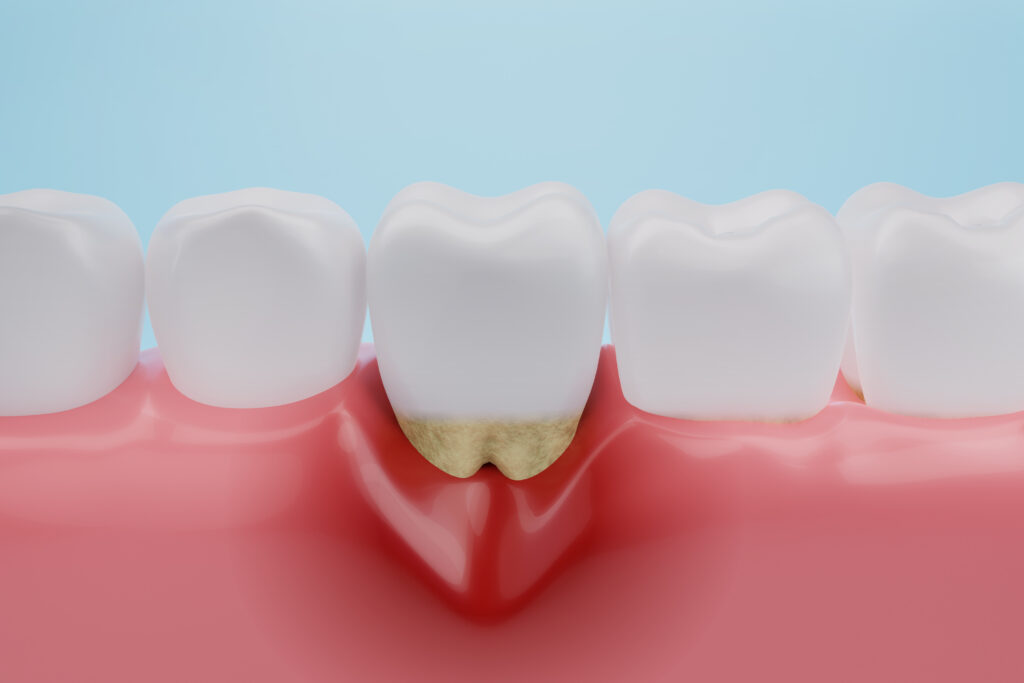
Periodontal (gum) disease is a common condition caused by plaque and bacteria build up around the gums and teeth. It often begins as gingivitis — red, swollen gums that may bleed when brushing — and can progress to periodontitis, which can lead to bone loss and tooth mobility if left untreated.
What Contributes to Periodontal Disease?
Several factors can increase your risk of developing periodontal disease, including:
- Poor oral hygiene habits
- Smoking or tobacco use
- Diabetes and other systemic conditions
- Hormonal changes (e.g., pregnancy, menopause)
- Genetics or family history of gum disease
- Chronic stress or poor nutrition
- Certain medications that affect saliva flow or gum tissue

Signs You May Need Periodontal Treatment
- Redness of gums
- Bleeding gums during brushing or flossing
- Persistent bad breath
- Spaces appearing or teeth appearing longer
- Mobile teeth
- Gum tenderness or swelling
What is Periodontal Treatments
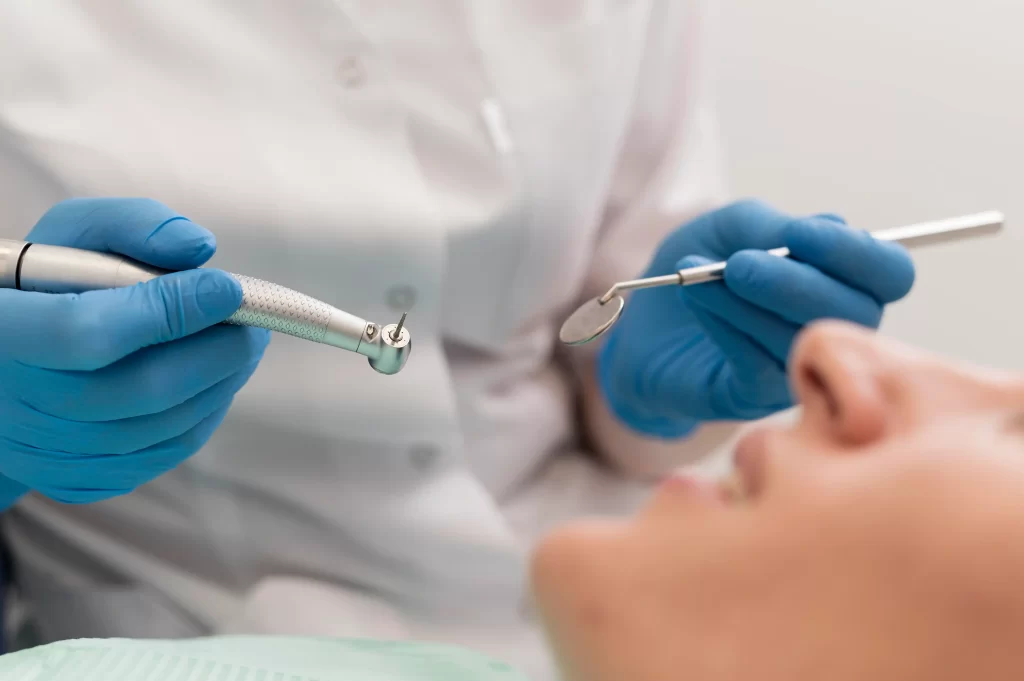
- Deep Cleaning (Root Planing):
Mechanical removal of plaque and tartar below the gumline to promote healing. This is usually performed under local anesthesia - Supportive Periodontal Therapy (SPT)
Regular periodontal maintenance appointments to prevent recurrence or continued disease progression after initial treatment - Antibiotic Therapy:
Localized medication may be used to control bacteria and support healing - Referral to Specialists:
In severe cases, we may refer you to periodontists to provide surgical options such as flap surgery or bone grafts
Notice any of the above signs or symptoms? Don’t let cavities go untreated—
They can progress into more serious issues like infections or root canal treatment. Early treatment with a dental filling can save your tooth and smile.